
Ledger.com/Start® — set up your Ledger hardware wallet
Ledger.com/start provides an easy-to-follow overview of Ledger wallet setup, helping users understand device configuration, Ledger Live features, account management, and recovery security.
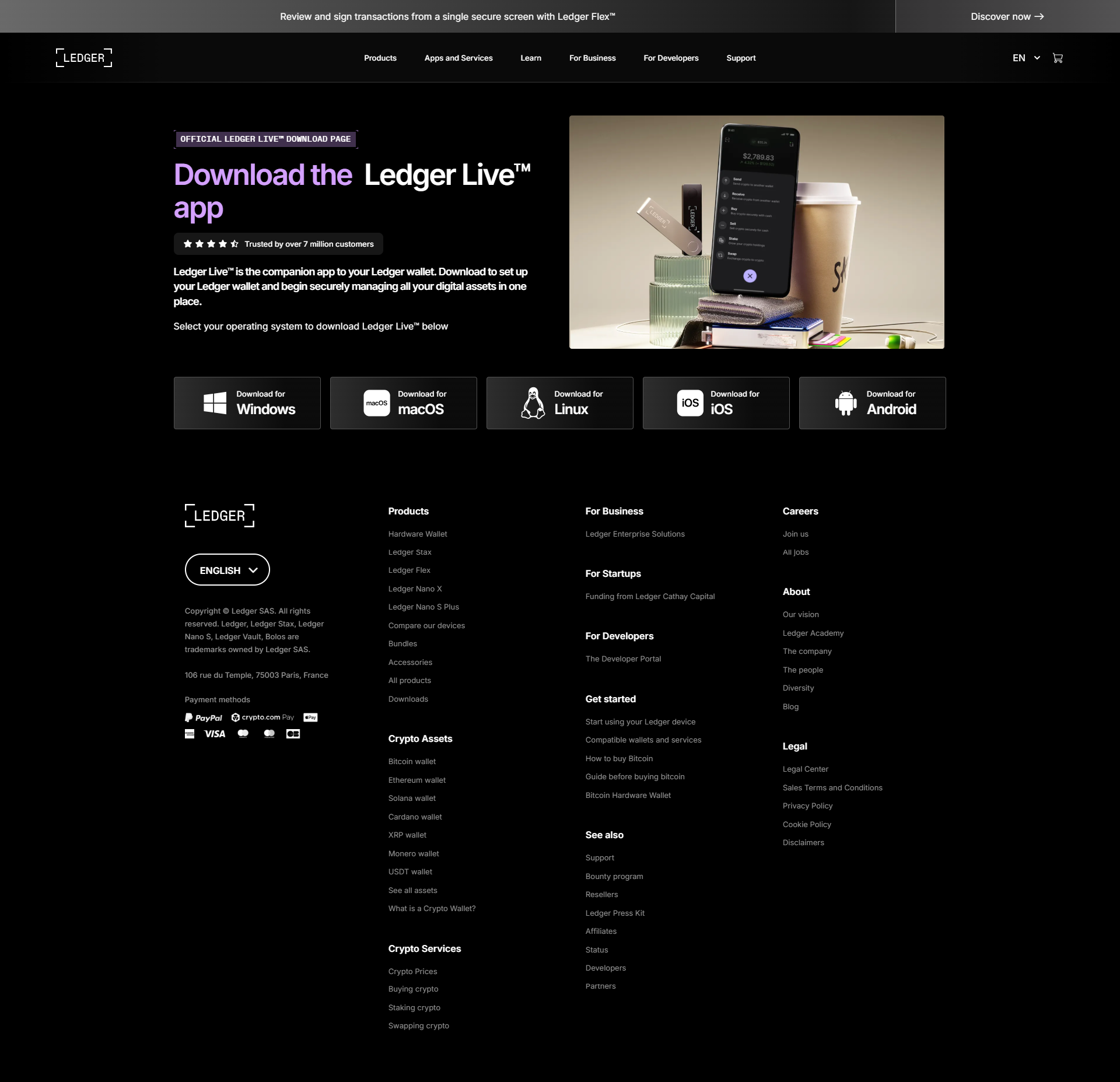
Ledger.com/start: Guide to Ledger Wallet, App Setup, and Secure Access
Getting started with a Ledger hardware wallet involves setting up the physical device, installing the appropriate Ledger software, and learning how to securely manage cryptocurrency accounts. Ledger.com/start provides a starting point for users who want to begin the Ledger wallet setup process and connect their hardware wallet with the Ledger software environment.
For new users, understanding the relationship between the Ledger device, Ledger wallet app, accounts, and transaction approvals can make the setup process easier. A careful initial configuration also helps establish good security habits for future wallet management.
Getting Started With Ledger.com/start
Ledger.com/start is designed as an entry point for Ledger hardware wallet setup. Users can begin by accessing the setup instructions and following the steps applicable to their particular Ledger device.
The setup may include connecting the hardware wallet, installing the required software, configuring the device, creating a new wallet or restoring an existing one, and securing the wallet backup.
Before proceeding, always verify that you are using the legitimate Ledger website and official software. Avoid downloading wallet software from unknown websites or links shared through unsolicited messages.
What Is a Ledger Wallet?
A Ledger wallet combines dedicated hardware with compatible software to provide an interface for managing supported digital assets. The hardware device is used for sensitive security operations, while the software provides tools for viewing accounts and preparing transactions.
Unlike a conventional online account, a hardware wallet is designed around keeping private-key operations protected by the physical device.
The Ledger wallet setup process therefore includes both software configuration and physical-device confirmation.
Setting Up the Ledger Wallet
Start by connecting your Ledger device using the appropriate connection method. Open the official Ledger software and follow the instructions displayed for your device.
During initialization, the device may guide you through important security steps. Read each instruction carefully and confirm sensitive actions directly on the hardware wallet.
If you are creating a new wallet, the setup process will generate the wallet's recovery information. Record this information exactly as instructed and keep it somewhere secure.
Never share your recovery phrase with another person.
Using the Ledger Wallet App
The Ledger wallet app provides a software interface for interacting with supported Ledger hardware wallets. Depending on the current software environment and supported features, users can use it to view accounts, monitor balances, manage supported assets, and prepare cryptocurrency transactions.
The software does not replace the physical hardware wallet. Important operations may require confirmation on the Ledger device itself.
This combination allows users to interact with their accounts through software while using the hardware wallet as an additional security layer.
Ledger Live Login and Account Access
Users searching for Ledger Live login should understand that accessing the Ledger software is different from entering a traditional banking-style account.
The software environment may provide access to wallet-management features, while ownership and transaction authorization depend on the user's hardware wallet and associated security information.
Always access Ledger software through an official Ledger source rather than clicking an unexpected login or wallet-verification link.
Be especially cautious if a website asks for your recovery phrase, private keys, or other confidential wallet information.
Connect Your Hardware Wallet
After opening the Ledger software, connect your physical device and follow the instructions shown on screen.
The Ledger device may display information that needs to be confirmed directly on its screen. Review these details carefully before approving an operation.
If the information shown on the device differs from what you expected, do not approve the transaction. Stop and investigate the issue first.
Create a New Wallet or Restore an Existing One
During Ledger wallet setup, users can generally choose between creating a new wallet and restoring an existing wallet.
When creating a new wallet, carefully record the recovery phrase generated during the setup process. The recovery phrase should remain private and offline.
When restoring an existing wallet, use only the official recovery procedure supported by the Ledger software and hardware device.
Never enter your recovery phrase into an ordinary webpage or send it to someone claiming to provide wallet support.
Protect Your Ledger Wallet Recovery Phrase
Your recovery phrase is a critical component of self-custody. It can potentially be used to restore access to the associated wallet.
For that reason, store it securely and privately. Do not take screenshots, upload photographs, save it in cloud storage, or type it into an online document.
A legitimate support representative should not need your recovery phrase.
If someone requests your complete recovery phrase through email, chat, a website, or a social media message, treat the request as suspicious.
Install Supported Blockchain Apps
After the initial Ledger device setup, the Ledger wallet app can provide access to supported blockchain applications.
These applications allow the hardware wallet to interact with different cryptocurrency networks. The available assets and features depend on the Ledger device, software version, and supported network.
Install applications through the official software interface and carefully check which blockchain network you are using before making a transfer.
Managing Ledger Accounts
After installing the required blockchain application, users can create or add compatible accounts.
Accounts help organize supported digital assets and provide information about balances and transaction activity. Depending on the asset, additional wallet features may also be available.
When receiving cryptocurrency, verify the receiving address carefully. When sending funds, review the destination address and transaction amount on the Ledger hardware wallet before confirming.
Why Hardware Confirmation Matters
A computer or smartphone can display transaction information, but the final confirmation process should be treated separately.
The Ledger hardware wallet provides a physical point at which important transaction details can be reviewed. Carefully checking the information displayed on the device can help users identify mistakes before authorizing a transaction.
Never approve a transaction simply because the software interface says it is correct.
Ledger Wallet Security Tips
A secure wallet setup depends on consistent security habits.
Use official Ledger software and keep it updated through trusted sources. Protect your hardware wallet from unauthorized physical access and use a device PIN where applicable.
Never share your recovery phrase or private wallet information.
Be cautious of websites that imitate Ledger pages or claim that your wallet requires immediate verification.
Do not install unknown browser extensions or applications that request access to your wallet.
Most importantly, remember that your recovery phrase should remain private.
Troubleshooting During Ledger Setup
If the Ledger device is not detected, first check the physical connection and make sure you are using a compatible cable and supported software environment.
If the software displays a warning or unexpected message, read the information carefully instead of immediately approving the action.
For account, device, or software problems, consult official Ledger documentation rather than following instructions from an unknown online source.
Avoid giving your recovery phrase to anyone who claims they can repair or synchronize your wallet.
Ledger.com/start for Everyday Wallet Management
The setup process is only the beginning of using a Ledger hardware wallet. Once the device is configured, the Ledger wallet app can become part of an ongoing routine for monitoring accounts and managing supported cryptocurrency assets.
Users should continue checking transaction information carefully, maintaining secure backups, keeping software current, and protecting access to the physical device.
The same security principles used during the initial Ledger.com/start setup remain important whenever the wallet is used.
Final Thoughts
Ledger.com/start provides a starting point for configuring a Ledger hardware wallet and connecting it with compatible Ledger software. From the initial device connection to wallet creation, account management, and transaction confirmation, each stage contributes to a secure self-custody setup.
For users searching for a Ledger wallet, Ledger wallet app, or Ledger Live login, the most important principle is to use official software and protect sensitive wallet information.
Keep your recovery phrase private, verify important transactions directly on the hardware device, and avoid unofficial websites requesting confidential wallet information. With these practices in place, a Ledger hardware wallet can provide a dedicated environment for managing supported digital assets.
Updated about 5 hours ago