
Ledger.com/Start® | Official Ledger® Wallet Setup
Ledger.com/start offers helpful setup information for connecting a Ledger hardware wallet with Ledger Live while supporting account organization and important security considerations.
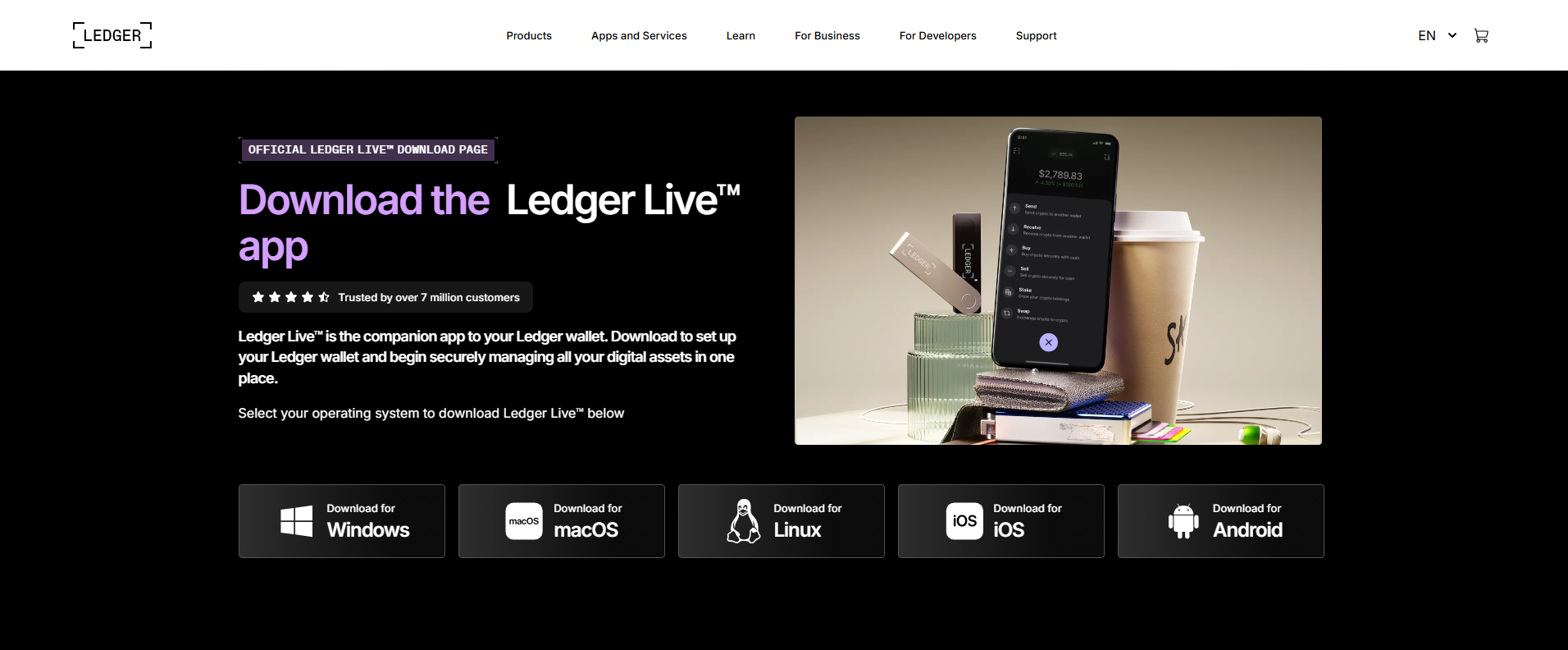
Ledger.com/start: Complete Guide to Ledger Wallet Setup
Getting started with a Ledger hardware wallet is an important step for anyone who wants to manage supported cryptocurrency assets with a dedicated signing device. Ledger.com/start provides the starting point for setting up a Ledger device, downloading the official companion application, and following the initial configuration process.
The setup experience connects your Ledger hardware wallet with Ledger Wallet, formerly known as Ledger Live. The application provides an interface for managing accounts and supported digital assets, while the physical Ledger device is used for important security operations and transaction approval.
What Is Ledger.com/start?
Ledger.com/start is Ledger’s official starting point for users setting up a Ledger hardware wallet. From the setup page, users can access the appropriate Ledger Wallet application for supported desktop and mobile platforms and begin configuring their device.
The setup process may include installing the companion software, connecting the Ledger device, initializing the wallet, creating a PIN, securing the recovery information, and installing applications needed for supported cryptocurrencies.
Why Start With Ledger.com/start?
Using the official Ledger website is an important part of a secure wallet setup. Cryptocurrency users can encounter imitation websites, unofficial downloads, and phishing pages designed to look like legitimate wallet services.
Starting from Ledger.com/start helps users reach Ledger’s official setup and software resources instead of relying on unknown download locations.
Before entering sensitive information or approving a wallet operation, always verify that you are interacting with the legitimate Ledger environment.
Download Ledger Wallet
Ledger’s companion application is now referred to as Ledger Wallet, formerly Ledger Live. Ledger provides versions for Windows, macOS, Linux, iOS, and Android, subject to device and operating-system compatibility.
Choose the version appropriate for your device and complete the installation using the instructions provided by Ledger.
After installation, open the application and connect your Ledger hardware wallet using the supplied connection method.
Connect Your Ledger Hardware Wallet
Once the Ledger Wallet application is ready, connect your Ledger device and follow the instructions shown on the screen.
The physical hardware wallet is an important part of the setup process. Pay close attention to information displayed directly on your Ledger device, especially when configuring security settings or confirming sensitive operations.
Do not approve an operation simply because the computer or phone displays a familiar-looking message. Review important information on the Ledger device before confirming it.
Initialize Your Ledger Device
A new Ledger hardware wallet needs to be initialized before it can be used. The setup process guides users through the required configuration steps.
Depending on the device and current software experience, initialization can involve creating a new wallet or restoring an existing wallet. Follow the instructions displayed by the official Ledger software and the hardware device.
Do not use recovery information belonging to another wallet unless you are intentionally restoring that wallet and understand the recovery process.
Create a Secure PIN
During device setup, you may be asked to create a PIN for your Ledger hardware wallet.
The PIN helps restrict access to the physical device. Choose a PIN that you can remember but that is not obvious to other people.
Never share your PIN with anyone claiming to provide technical support. Ledger’s official setup process should not require you to disclose your PIN to another person.
Protect Your Recovery Phrase
The recovery phrase is one of the most important parts of your Ledger wallet setup.
When creating a new wallet, carefully follow the instructions provided by the Ledger device for recording your recovery information. Store it offline in a secure location that only you can access.
Do not take a screenshot of your recovery phrase. Do not save it in an email, cloud-storage account, text document, password manager, or messaging application unless Ledger specifically instructs you to do so for a particular supported recovery method.
Most importantly, never give your recovery phrase to another person.
Anyone who obtains the appropriate recovery information may be able to restore access to the associated wallet. Treat the recovery information as highly confidential.
Install Crypto Applications
After completing the basic Ledger setup, you can use Ledger Wallet to manage applications for supported cryptocurrencies.
Ledger’s software provides a management area where users can install applications associated with supported networks and assets. The exact options available depend on the Ledger device, software version, and supported cryptocurrency.
For example, if you want to manage a supported Bitcoin account, the appropriate Bitcoin application may need to be installed on your Ledger device before adding or using the associated account.
Create and Manage Accounts
After installing the required applications, Ledger Wallet can be used to create and manage supported cryptocurrency accounts.
The application provides a centralized interface where users can monitor balances, review account activity, and interact with supported assets. Ledger states that its current wallet application supports thousands of coins and tokens across multiple networks, although availability can change over time.
Always check current compatibility before transferring an asset to a Ledger account.
Receiving Crypto With Ledger
After adding a supported account, you can generate receiving information through the Ledger Wallet application.
Before sending cryptocurrency to an address, carefully verify the asset and network. Different assets can operate on different blockchain networks, and selecting an incompatible network can cause transaction problems.
For important transfers, carefully review the destination address before proceeding.
Sending Crypto Securely
When sending cryptocurrency from a Ledger account, transaction details should be reviewed carefully before approval.
Enter the transaction information through the Ledger Wallet interface and then review the relevant details on the physical Ledger device.
Check the recipient address, asset, amount, network, and transaction fee where applicable. If the information shown on the Ledger device does not match what you intended to send, do not approve the transaction.
The hardware device provides an additional confirmation point for security-sensitive operations.
Ledger Wallet and Ledger Live
Users searching for Ledger Live may notice that Ledger has transitioned its consumer wallet application toward the Ledger Wallet name. Ledger’s current pages describe Ledger Wallet as the app formerly known as Ledger Live.
As a result, search terms such as “Ledger Live,” “Ledger Live app,” “Ledger Wallet,” and “Ledger wallet app” may appear in older and newer documentation.
The underlying purpose remains familiar: provide a software interface for interacting with a Ledger hardware device and managing supported digital assets.
Ledger.com/start Security Tips
A secure setup begins with using official resources and continues with careful wallet practices.
Always download Ledger software from official Ledger sources. Keep your recovery information private and offline. Never disclose your PIN or recovery phrase. Avoid clicking unexpected wallet links received through messages or email.
Be especially cautious when someone claims that your Ledger account needs to be verified, synchronized, upgraded, or unlocked. Legitimate support should not require you to reveal your recovery phrase.
Before confirming cryptocurrency transactions, compare the information shown in the application with the information displayed on your physical Ledger device.
Common Ledger Setup Mistakes
Several avoidable mistakes can create unnecessary security risks.
Downloading wallet software from an unofficial website is one example. Another is storing recovery information digitally or sharing it with someone claiming to be support.
Users should also avoid rushing through device setup. Carefully read each instruction and confirm sensitive information on the physical hardware wallet.
If a website, application, message, or person asks for your recovery phrase unexpectedly, stop and verify the request through official Ledger documentation before continuing.
Managing Crypto After Setup
Once your Ledger device is initialized and your accounts are configured, Ledger Wallet can serve as a central interface for managing supported digital assets.
Depending on the supported features and jurisdiction, Ledger’s ecosystem can provide access to functions such as sending and receiving assets, portfolio monitoring, buying, swapping, staking, and Web3 applications. Availability varies by asset, service provider, device, and region.
Always review the details of third-party services before using them, particularly when connecting decentralized applications or interacting with financial services.
Final Thoughts on Ledger.com/start
Ledger.com/start provides a practical starting point for configuring a Ledger hardware wallet and accessing the official software environment.
From downloading Ledger Wallet and connecting the device to creating a wallet, protecting the recovery phrase, installing cryptocurrency applications, and approving transactions, each stage contributes to a secure self-custody workflow.
Take your time during setup, use official Ledger resources, protect your recovery information, and verify important transaction details directly on your Ledger device. With those fundamentals in place, your Ledger hardware wallet can be used as part of a structured approach to managing supported digital assets.
Updated about 8 hours ago