
Ledger.com/Start® — Getting Started with Ledger Live™
Ledger.com/start helps users explore Ledger wallet setup concepts, including device configuration, Ledger Live connection, supported account management, and essential cryptocurrency security practices.
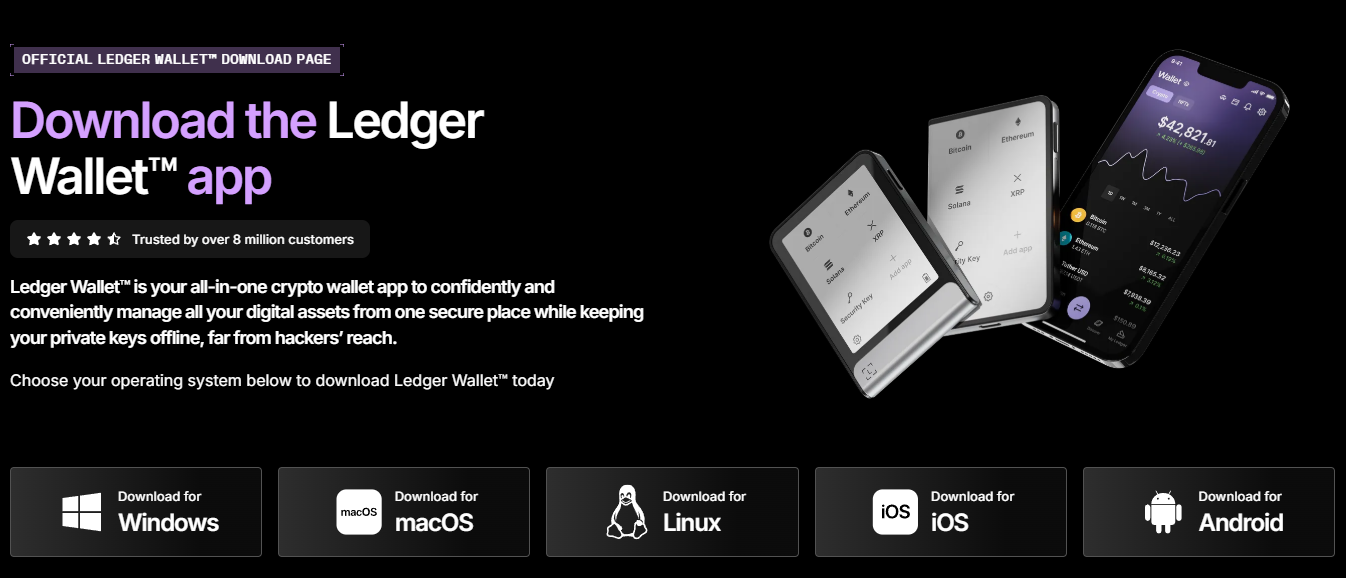
Ledger.com/start: Start Your Ledger Wallet Setup
A Ledger hardware wallet gives users a dedicated device for managing supported digital assets and approving important wallet operations. If you are setting up a Ledger device for the first time, Ledger.com/start provides a starting point for accessing the official software and completing the initial wallet configuration.
Users searching for Ledger wallet, Ledger wallet app, or Ledger Live login may encounter both current and older terminology. Ledger Live was the former name of Ledger’s companion application, while Ledger Wallet is the current name used for the wallet software experience.
Getting Started With Ledger.com/start
The Ledger.com/start setup process is designed to help users move from an unused hardware device to a configured Ledger wallet.
The basic workflow can include downloading Ledger’s official wallet software, connecting the hardware device, completing device initialization, creating or restoring a wallet, securing the recovery information, and adding supported cryptocurrency accounts.
Before beginning, use a trusted computer or mobile device and make sure you are working from an official Ledger source.
Why Use the Official Ledger Setup Page?
Wallet security starts before a device is even connected. Searching for wallet software can expose users to unofficial downloads, misleading advertisements, imitation websites, and phishing pages.
Starting with Ledger.com/start helps establish the correct software and setup path.
Never assume that a website is legitimate simply because it uses Ledger branding. Carefully check the website address and use official Ledger documentation when you need to verify a setup instruction.
Understanding the Ledger Wallet App
The Ledger wallet app is the software interface used alongside a compatible Ledger hardware wallet. It allows users to interact with supported accounts and assets while the physical device remains involved in security-sensitive operations.
The application can provide features for viewing balances, managing accounts, sending and receiving supported assets, and accessing additional services where available.
The exact features can depend on the Ledger device, supported cryptocurrency, software version, and user's location.
Install the Official Wallet Software
After reaching the appropriate Ledger setup resources, download the wallet application for your supported operating system.
Complete the installation using the instructions supplied by Ledger. Avoid third-party download websites because modified or counterfeit wallet applications can create security risks.
Once the installation is complete, open the application and connect your Ledger hardware wallet.
Connect and Configure Your Ledger Device
Connect the hardware wallet using the appropriate cable or supported connection method. The wallet software should recognize the device and guide you through the next steps.
Read each instruction carefully. During important operations, information displayed on the physical Ledger device should be treated as an important verification point.
If the information shown on your Ledger device does not match what you expected, do not confirm the operation until you understand the difference.
Set Up Your Ledger Wallet
A new Ledger device can be configured to create a new wallet or, where appropriate, restore an existing wallet.
Creating a new wallet establishes new wallet credentials and recovery information. Restoring a wallet uses the recovery information associated with an existing wallet.
Do not enter recovery information into a setup process unless you are intentionally performing a legitimate recovery operation and the instructions are coming from the appropriate official workflow.
Secure Your Recovery Information
Your wallet recovery information is critical to maintaining access to a self-custody wallet.
When the Ledger device provides recovery information during a new-wallet setup, record it carefully according to the device instructions.
Keep the backup offline and somewhere secure. Avoid storing it in screenshots, email accounts, cloud documents, messaging applications, or other locations that could expose it to unauthorized access.
Never send your recovery phrase to customer support or another person. Anyone who gains access to the necessary recovery information may potentially gain control of the associated wallet.
Protect Your Ledger PIN
A Ledger hardware wallet may also require a device PIN during setup. The PIN helps protect access to the physical device.
Choose a PIN that is not easy for another person to guess and keep it confidential.
Do not write your PIN in a location that makes it immediately accessible alongside your recovery information, and never disclose it to an unsolicited support contact.
Ledger Live Login: What Users Should Know
The phrase “Ledger Live login” remains common among people who previously used or searched for Ledger Live.
Ledger has moved from the Ledger Live name toward Ledger Wallet, so users may see current wallet pages and applications using the newer terminology.
There is generally no reason to provide a recovery phrase to a website simply because it presents itself as a Ledger Live login page. Treat unexpected requests for recovery information as a serious warning sign.
When accessing Ledger software, use official Ledger resources rather than links received from unknown messages or social media accounts.
Add Supported Crypto Accounts
After completing the hardware wallet setup, the Ledger wallet app can be used to add accounts for supported cryptocurrencies.
Account availability depends on the particular asset, blockchain network, Ledger device, and current software support.
Once an account has been added, the wallet interface can help you monitor balances and transaction history.
Before transferring assets, verify that the cryptocurrency and network you intend to use are supported.
Receiving Assets With Ledger Wallet
To receive cryptocurrency, select the appropriate account and carefully verify the receiving information before providing it to the sender.
Pay attention to the network as well as the asset. A cryptocurrency may be available across multiple networks, and selecting the wrong network can result in transaction complications.
For valuable transfers, carefully review the address before sending funds.
Confirm Transactions on the Hardware Device
One of the important characteristics of a hardware wallet is that transaction approval involves the physical device.
When preparing a transaction through the Ledger wallet app, review the transaction information carefully and then check the details shown on the Ledger hardware wallet.
Verify the recipient, asset, amount, and relevant network information before approving the transaction.
If the physical device displays information that does not match your intended transaction, stop and investigate before continuing.
Ledger Wallet Security Practices
Good wallet security continues after the initial setup.
Keep your Ledger hardware wallet physically secure. Keep your recovery information private and offline. Protect your device PIN and avoid sharing confidential information with anyone.
Be cautious of unsolicited messages claiming that your wallet needs to be synchronized, verified, upgraded, or unlocked.
A legitimate-looking logo or familiar brand name does not automatically make a website trustworthy.
Use Official Software for Updates
Software and firmware updates can provide improvements, compatibility changes, and security-related fixes.
When an update is available, use official Ledger software and follow the instructions provided during the update process.
Do not download supposed firmware updates from random websites or install files supplied through unsolicited messages.
Ledger.com/start for a Reliable Setup Workflow
Ledger.com/start provides the starting point for users who want to configure a Ledger hardware wallet and begin using the associated wallet software.
The setup process connects several important elements: the Ledger hardware wallet, the Ledger wallet app, account management, transaction confirmation, and recovery protection.
For users searching for Ledger Live login, understanding the transition toward Ledger Wallet can also make it easier to identify the current software experience.
Take your time during setup, use official Ledger resources, protect your recovery information, and verify important transactions directly on the physical hardware wallet.
Final Guide to Ledger Wallet Setup
A successful Ledger setup is about more than installing an application. It involves establishing a secure relationship between the hardware device and the wallet software while protecting the information needed to recover the wallet.
Ledger.com/start provides a useful starting point for this process. Once the device is configured, the Ledger wallet app can provide an interface for managing supported accounts and assets, while the hardware wallet remains an important part of transaction authorization.
By following the official setup instructions and maintaining careful security practices, users can establish a structured workflow for managing supported digital assets with their Ledger hardware wallet.
Updated about 5 hours ago